A good routine is simple—and unhurried
Most people know they should brush twice a day. The harder part is doing it slowly enough to reach the gumline, the backs of the last molars, and the inside surfaces of the lower front teeth.
Plaque is soft and sticky. It does not require force; it requires contact in the right places. Once plaque hardens into tartar, however, a toothbrush will not remove it. That is one reason daily technique matters.
Start with the right brush
Choose a soft-bristled brush with a head that fits comfortably around your back teeth. Manual and powered brushes can both clean well. A powered brush may be easier if grip, dexterity, or rushing is a problem, but it still has to be guided to every surface.
Replace the brush or brush head when the bristles begin to splay, or roughly every three to four months. Frayed bristles are usually a sign that the brush is worn—or that you are pressing too hard.
Brushing, one section at a time
Angle the bristles toward the point where tooth and gum meet, at about 45 degrees. Use small circular or gently rocking movements rather than a vigorous horizontal scrub.
Pick a starting point and follow the same route each time:
- Clean the outside surfaces of the upper teeth, then the inside surfaces.
- Repeat on the lower teeth.
- Brush the chewing surfaces of the molars.
- Turn the brush vertically for the narrow inside surfaces of the front teeth.
Two minutes is a useful target because it gives you time to complete the route without racing. A phone timer, electric-brush timer, or even dividing the mouth into four 30-second sections can help.
Use fluoride toothpaste. Fluoride strengthens enamel and can help repair the earliest mineral loss before a cavity forms. Spit out the excess when you finish. For young children, ask a dentist or physician about the right amount of toothpaste and supervise brushing.
Floss should clean the tooth, not just the gap
Sliding floss down and pulling it straight back out may remove a piece of food, but it leaves plaque on the sides of the teeth.
Guide the floss gently through the contact. Curve it around one tooth in a C shape and move it up and down against that surface, easing just below the gumline. Then wrap it around the neighbouring tooth and repeat before moving to a clean section.
If floss snaps into the gums, loosen your grip and use a slower sawing motion through the tight contact. Persistent bleeding deserves a dental assessment, but it is rarely helped by abandoning between-teeth cleaning altogether.
String floss is not the only option
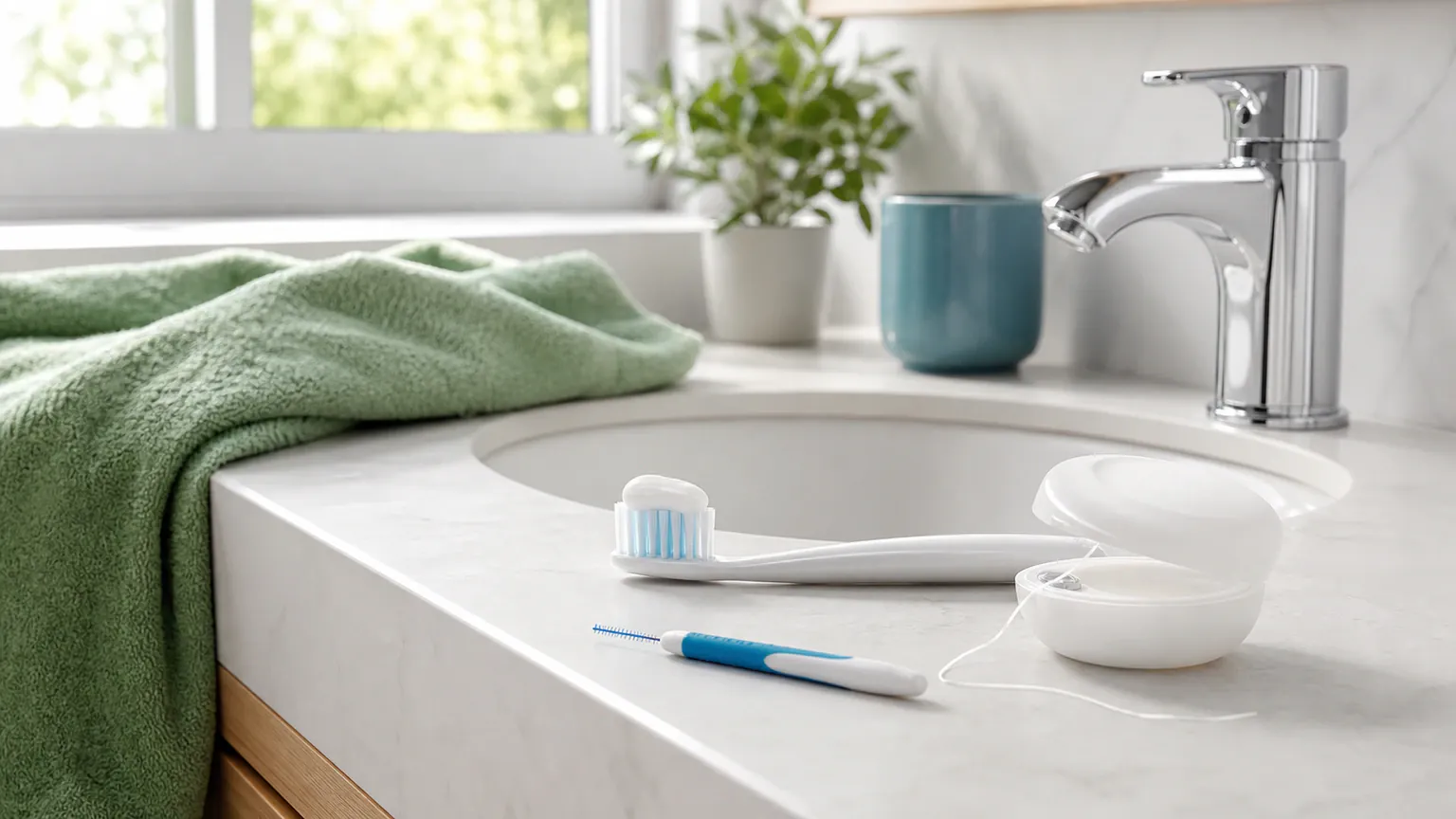
Interdental brushes can work well in larger spaces. Floss holders may be easier to control. Water flossers and special threaders can help around braces, bridges, and implants.
The best tool is not the one with the most features; it is the one that fits your mouth safely and that you will actually use every day. Ask a hygienist to show you the correct size and technique using the tool you have at home.
A few habits that quietly undo good brushing
Pressing harder does not remove tartar or lift deep stain. Mouthwash does not replace the physical work of brushing and cleaning between teeth. And flossing only when food is stuck leaves plaque undisturbed on ordinary days.
Pay special attention to the places people often miss: behind the last molars, along the gumline, around crowded teeth, and behind the lower front teeth. If the same area is always bleeding or collecting tartar, bring that detail to your next appointment.
Make it easy to repeat
Keep the routine attached to things you already do every morning and evening. Put the interdental tool where you can see it. If fatigue makes bedtime care inconsistent, try cleaning between your teeth earlier in the evening.
Parents should start brushing when the first tooth appears and continue helping until the child can clean thoroughly. Our guide to a child's first dental visit covers the early years.
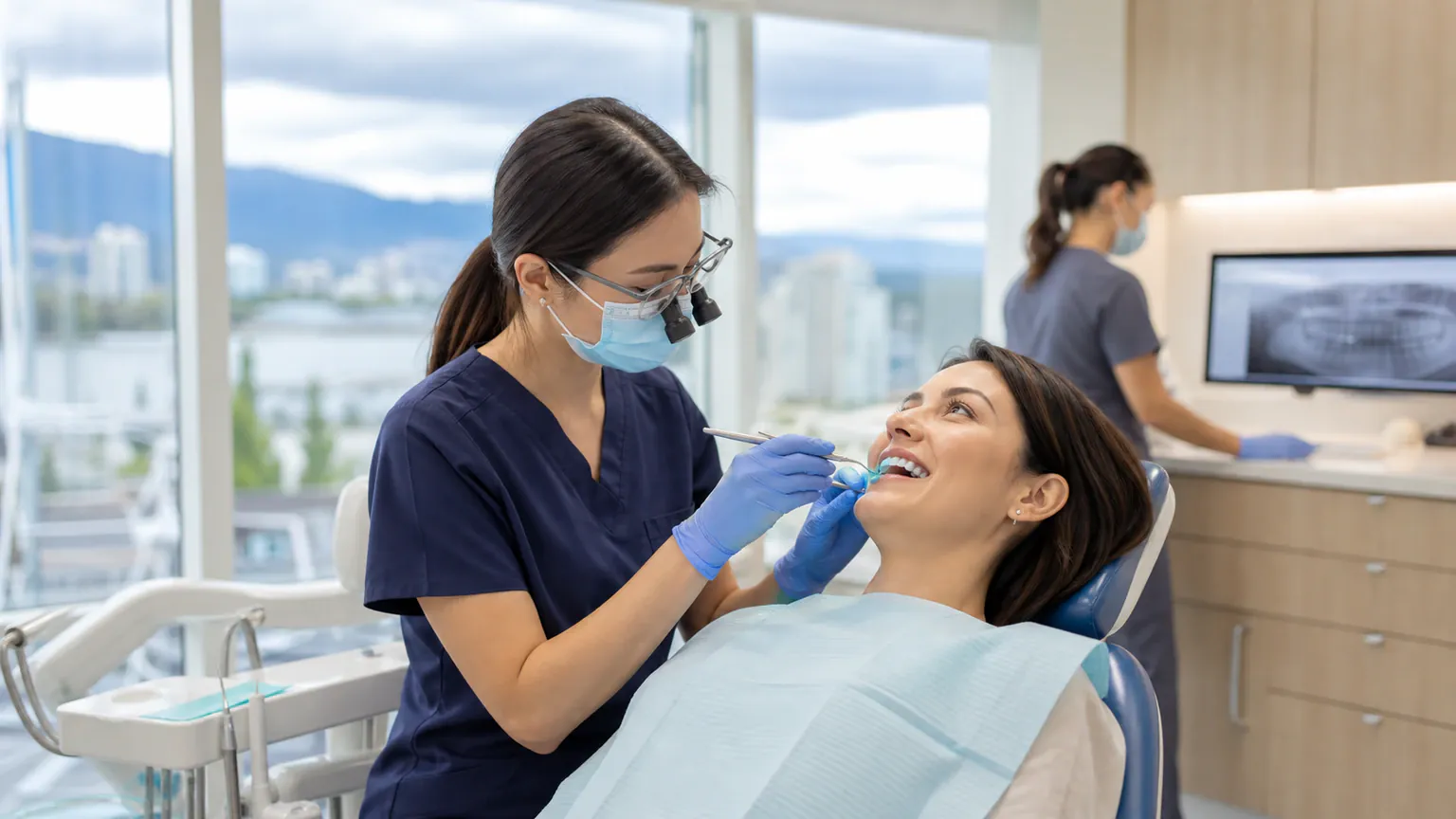
If you are brushing carefully but still have persistent bleeding, sensitivity, bad breath, recession, or repeated cavities, technique may not be the only issue. Tartar, dry mouth, gum disease, or a difficult-to-clean restoration may need professional attention. Read what happens at a dental cleaning.
The routine does not need to be elaborate. A soft brush, fluoride toothpaste, one effective between-teeth tool, and a few unhurried minutes each day will do far more than an occasional burst of aggressive cleaning.
Related dental care
Sources
- Basic Dental Care — HealthLink BC
- Fluoride and Dental Health — National Institute of Dental and Craniofacial Research
- Caring for Your Teeth — Canadian Dental Association